
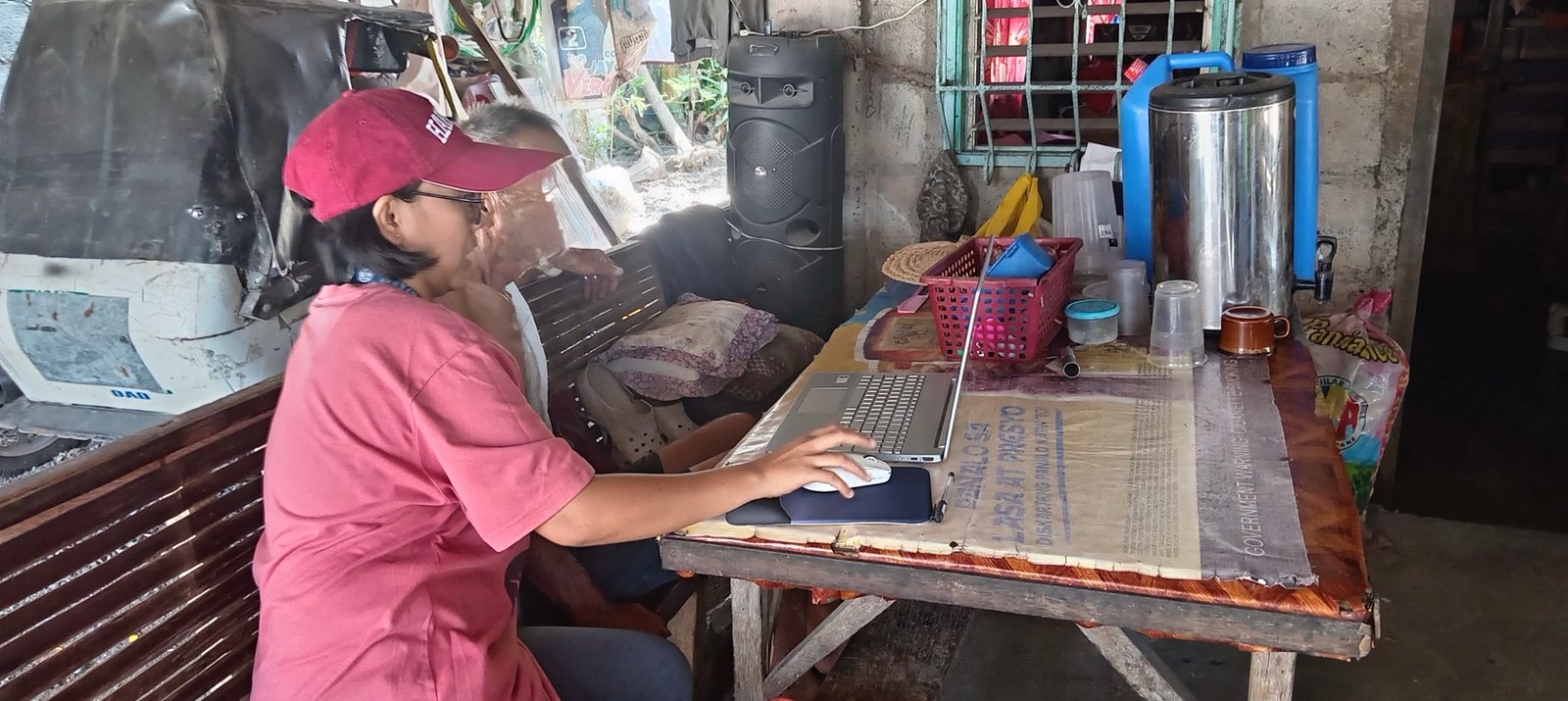
In a remarkable stride toward inclusive technology, Bachelor of Science in Computer Science (BSCS) students have introduced an innovative research project titled “Web-Based Assistive Accessibility System Using Speech-Generating Devices for Persons with Disabilities.” This groundbreaking system highlights how modern computing can empower individuals with disabilities by enhancing communication, accessibility, and independence.
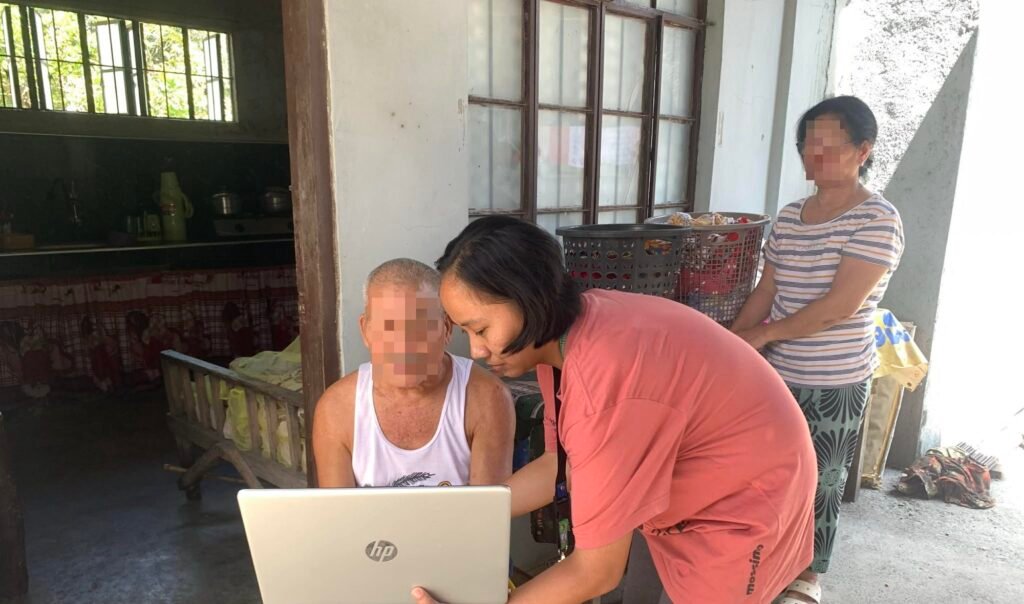
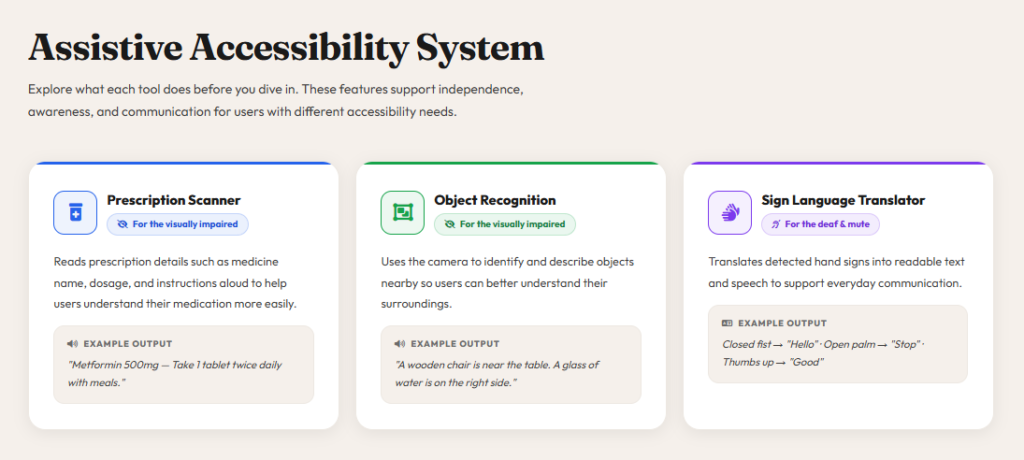
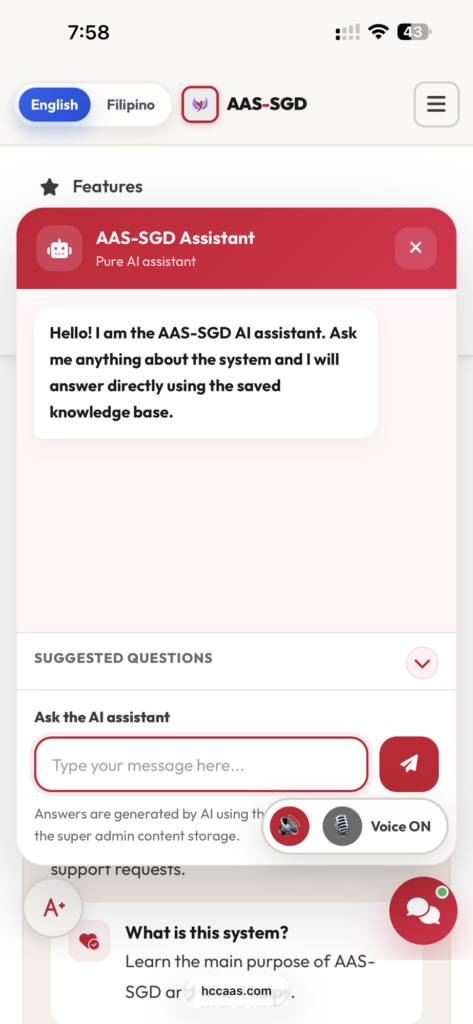
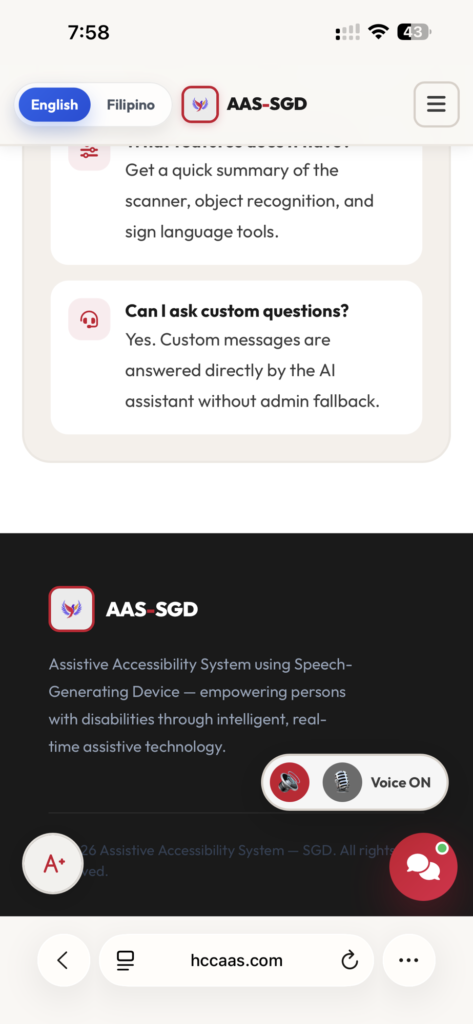
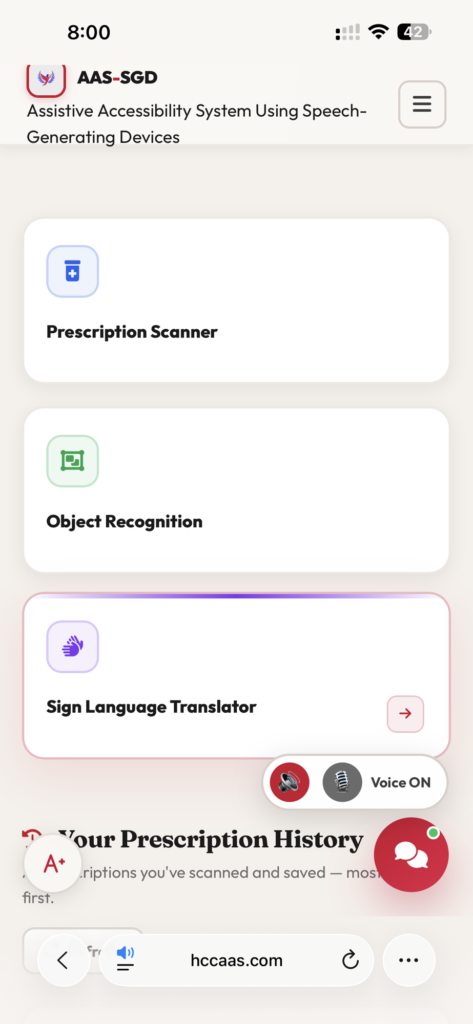
Designed with inclusivity at its core, the system integrates advanced features such as speech recognition, camera-based interpretation, and intelligent guidance tools, all working together to create a seamless user experience for persons with disabilities (PWDs).
One of its key features is speech-based navigation, allowing users to control and interact with the system using voice commands. This enables hands-free access, making it especially beneficial for individuals with limited mobility.
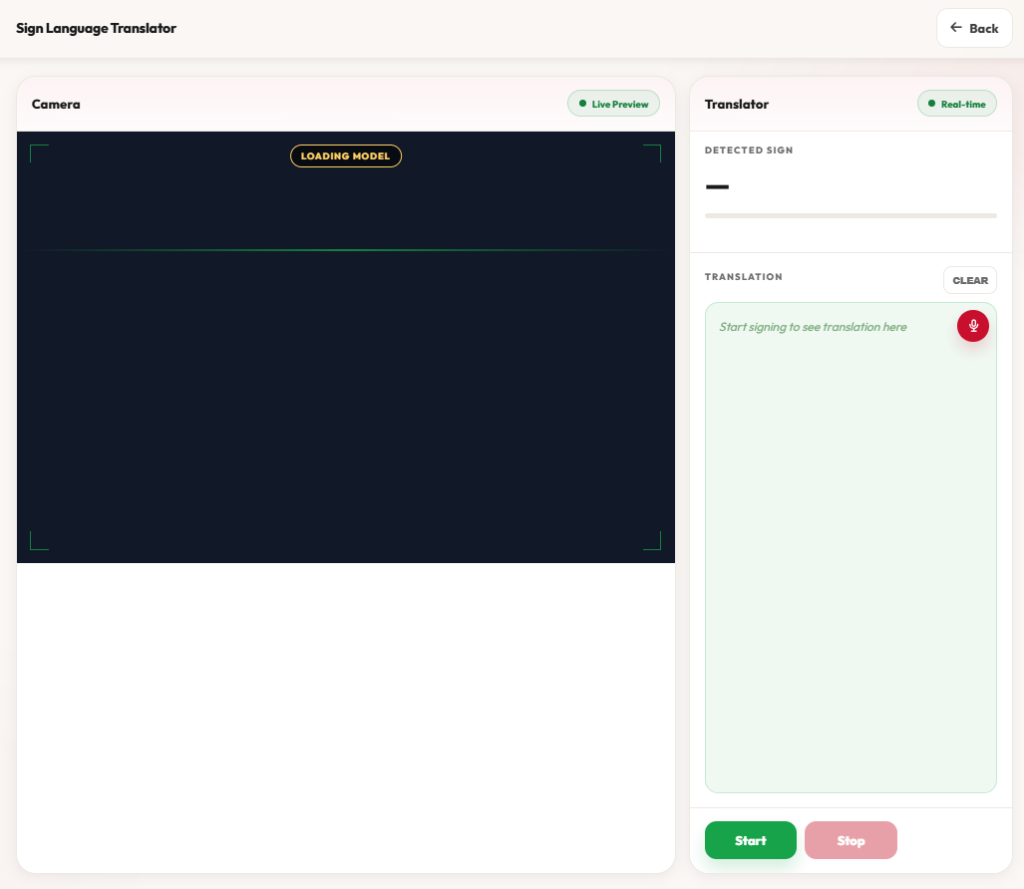
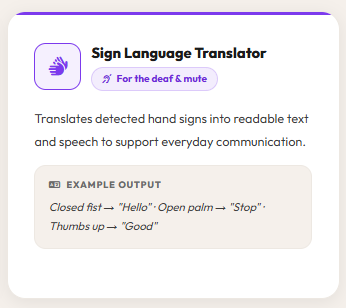
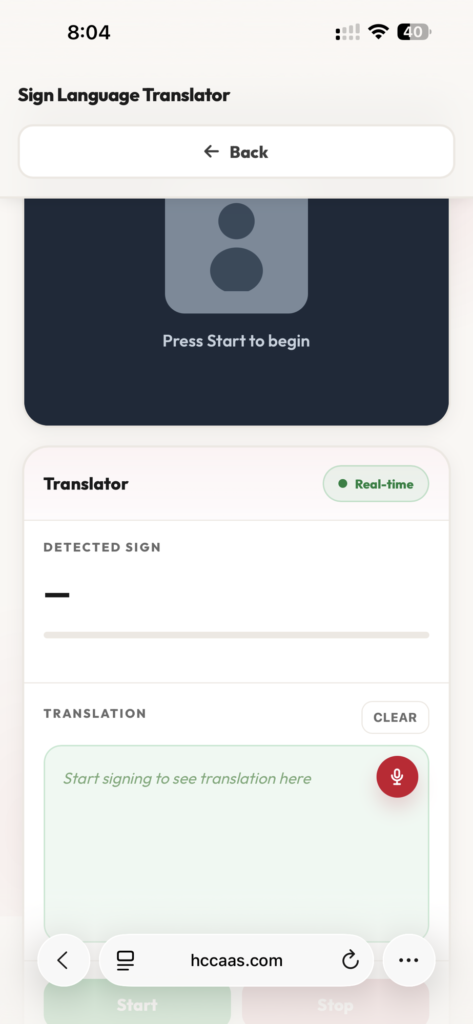
The system also utilizes camera-powered gesture recognition, translating hand movements and gestures into understandable text and complete sentences. This feature bridges communication gaps, particularly for individuals who rely on non-verbal forms of expression.
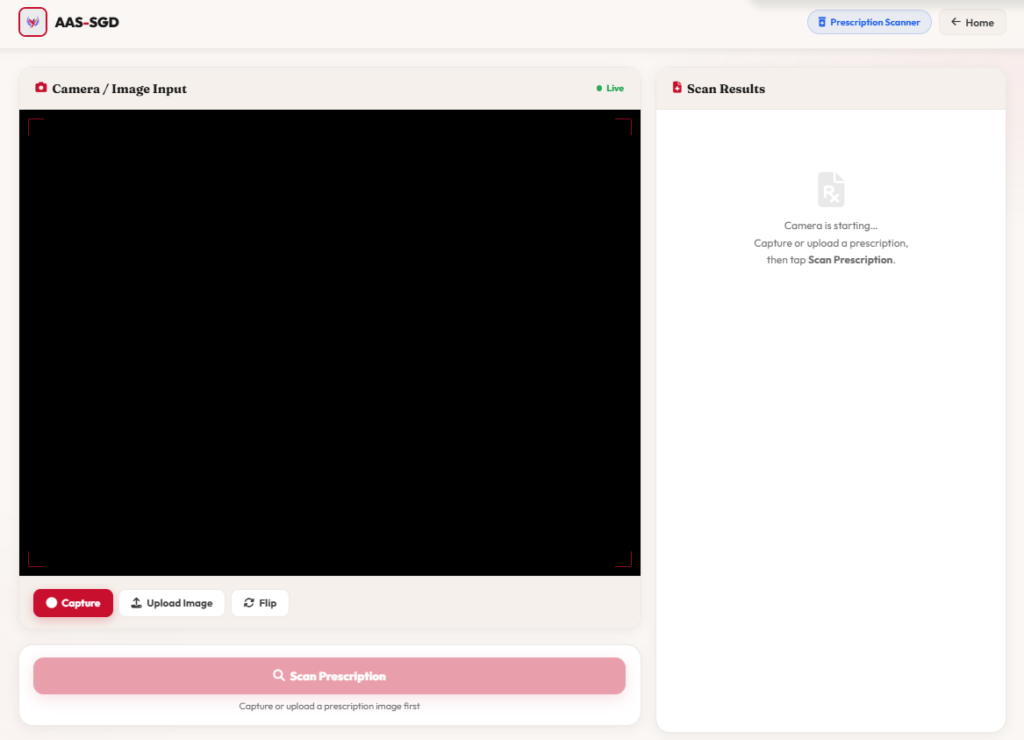
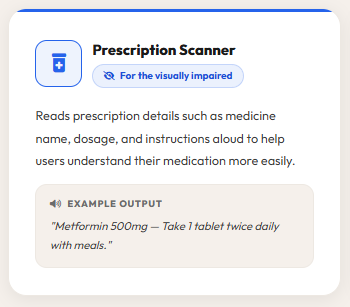
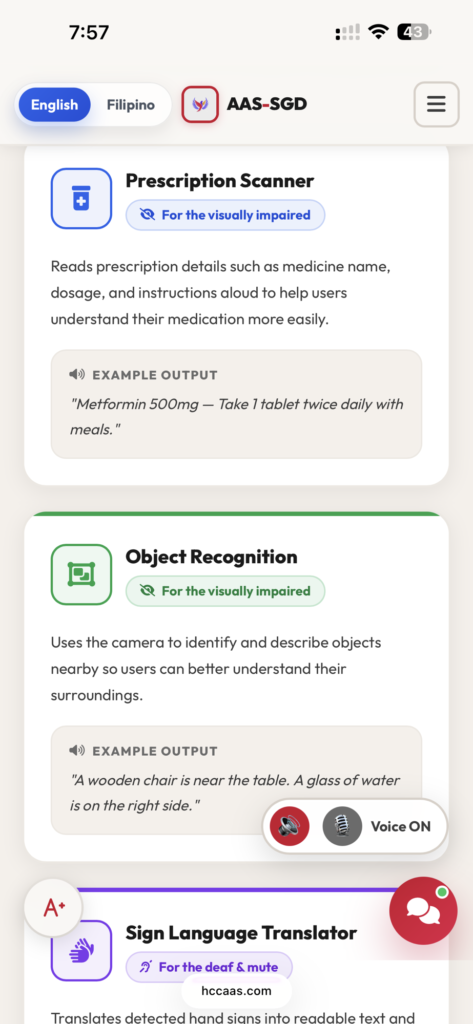
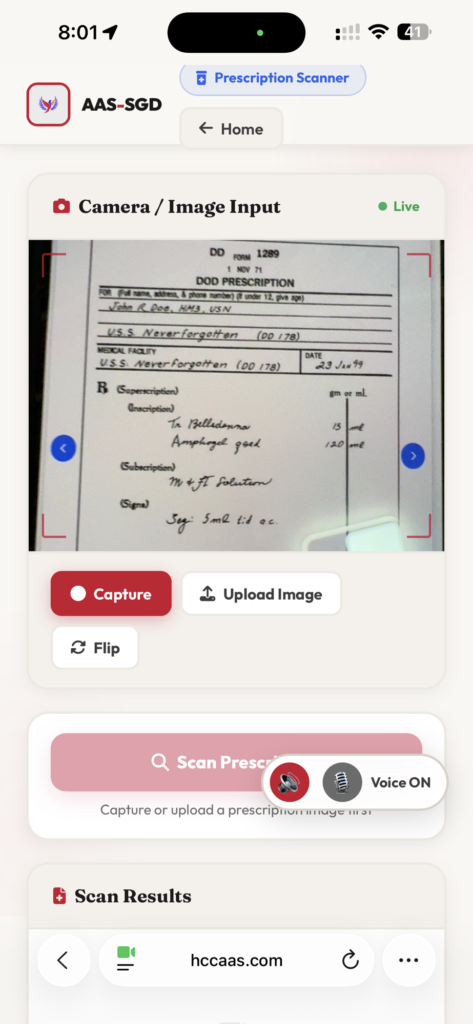
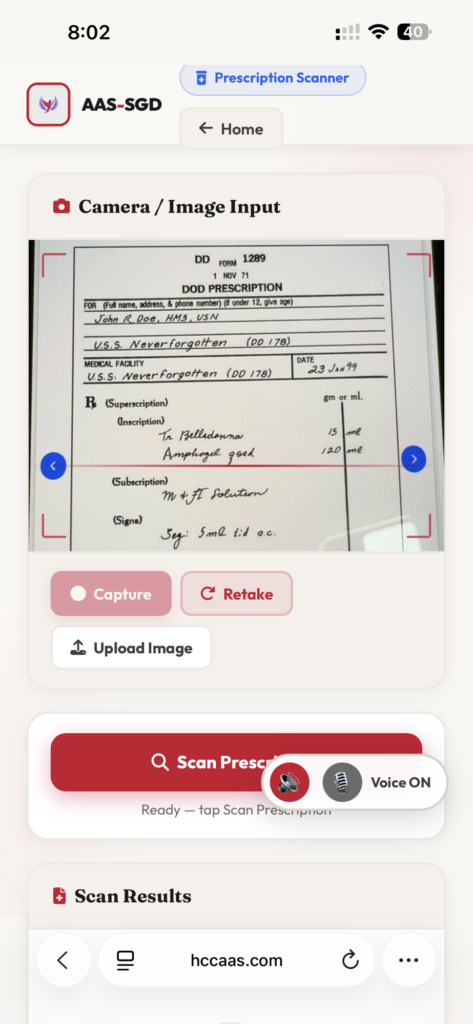
In addition, the innovation extends to practical, real-world applications. Through its camera-based prescription translator, the system can interpret handwritten medical prescriptions and convert them into clear, readable text,helping users better understand their medications and instructions, and promoting safer healthcare practices.
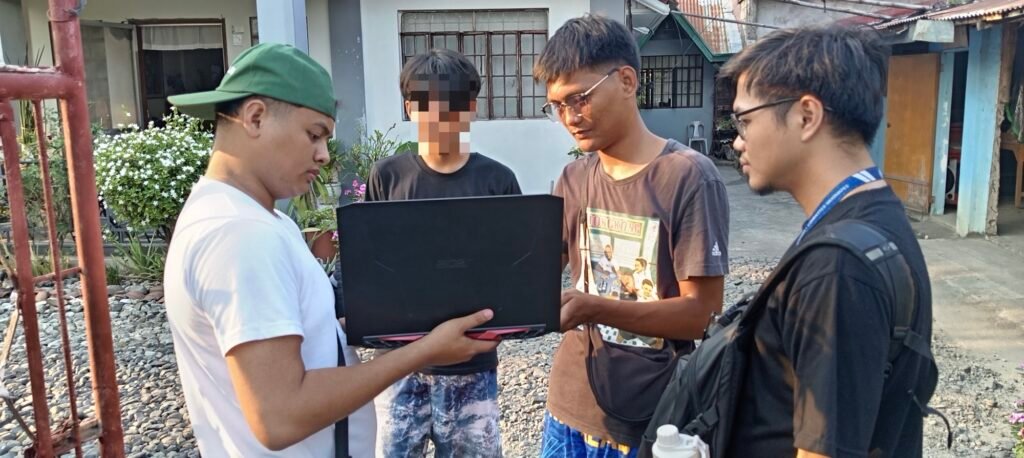
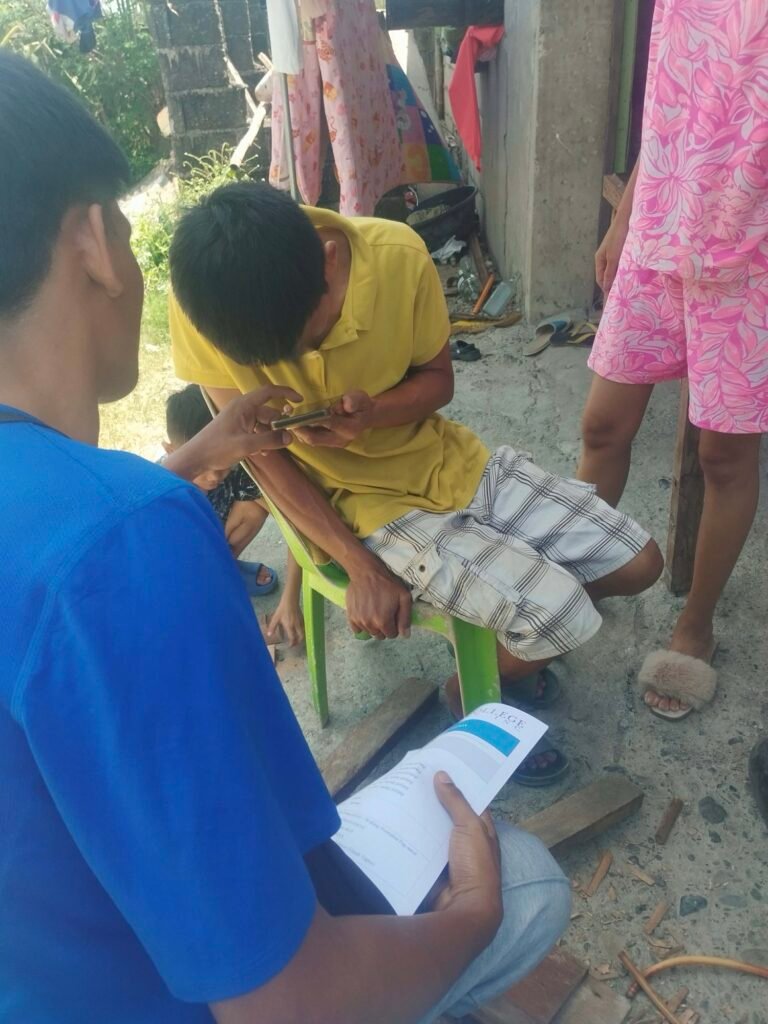
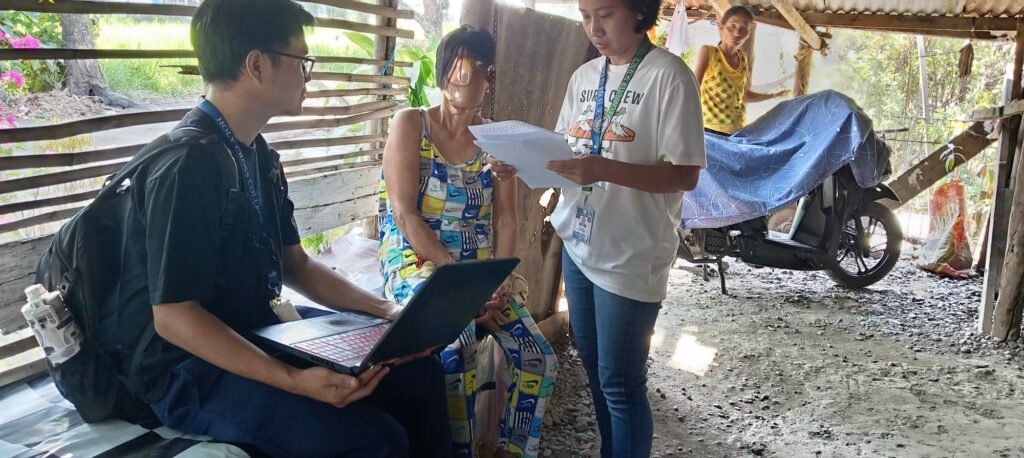
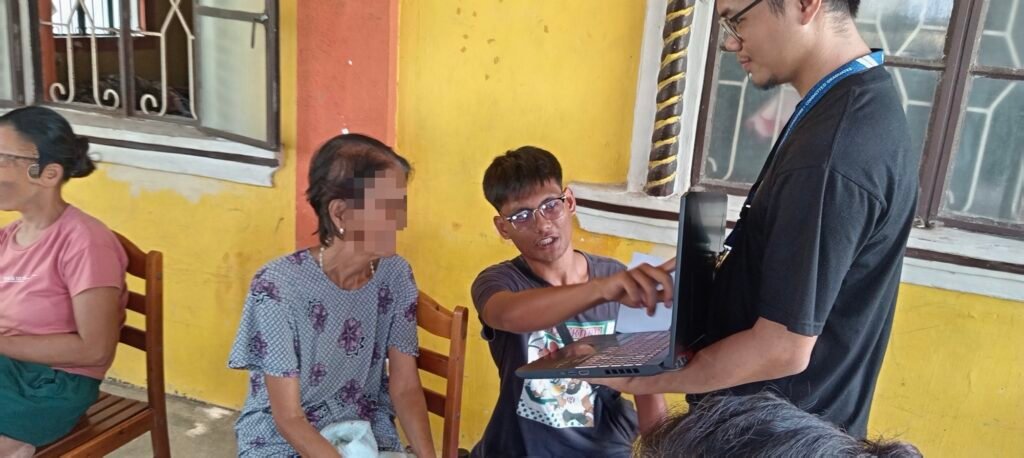
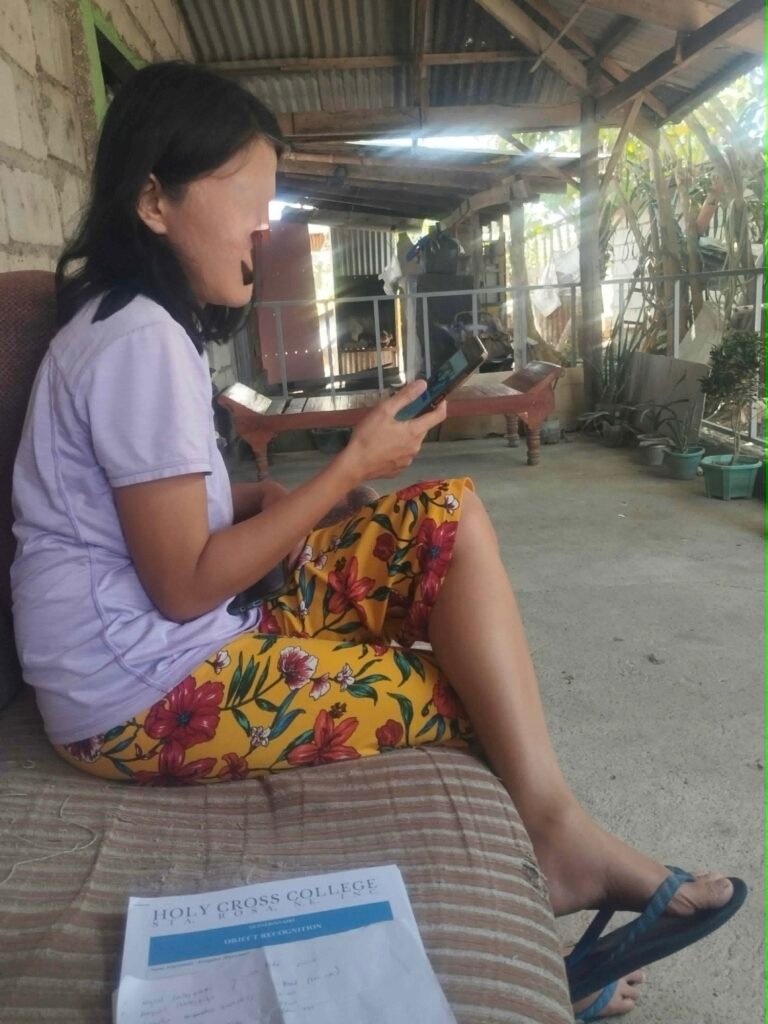
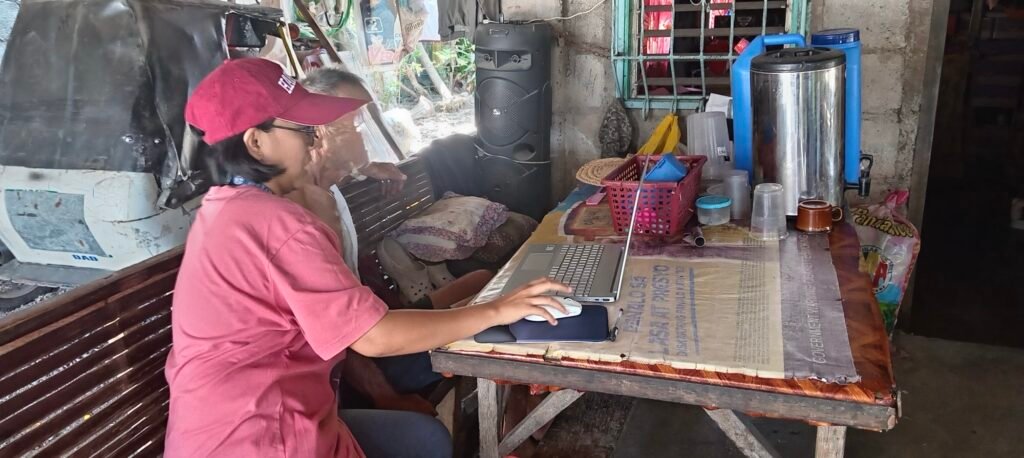
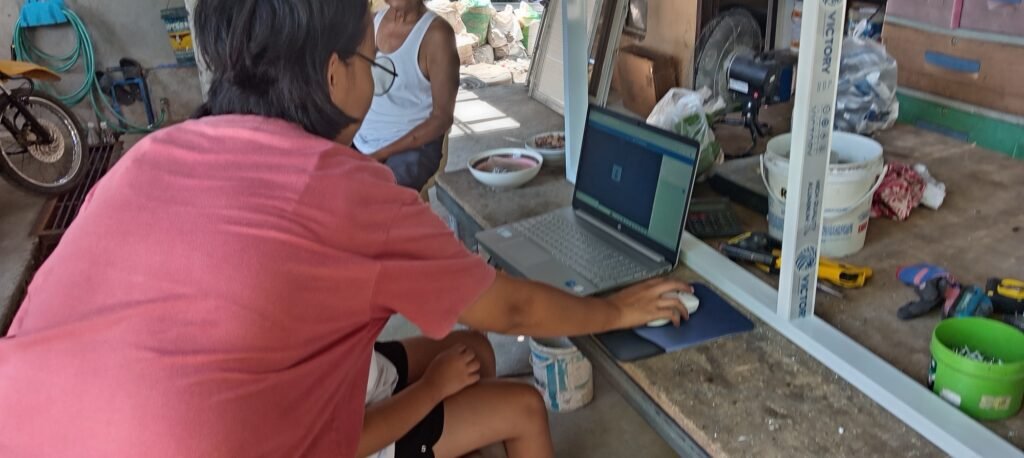
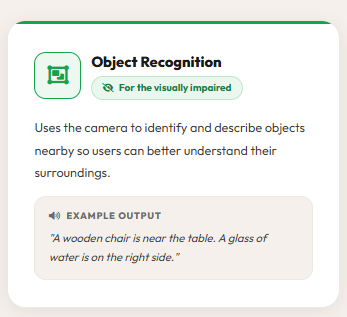
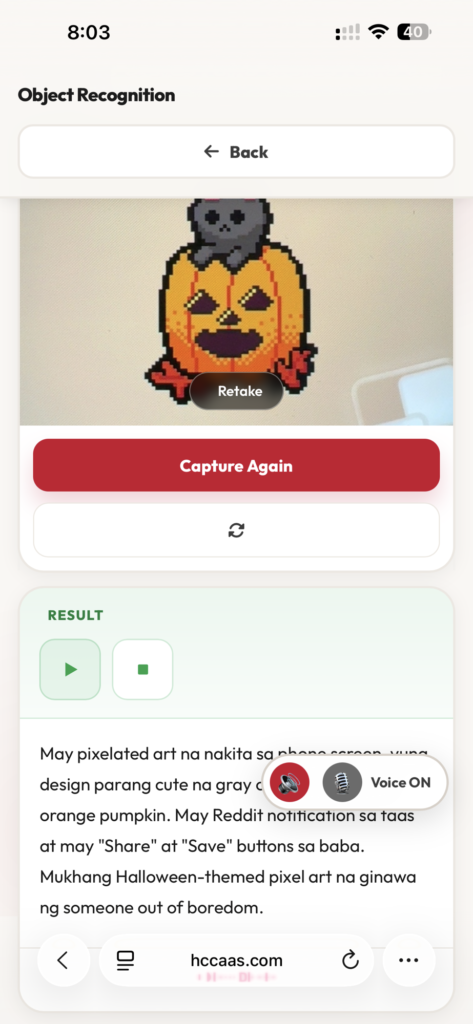
Another standout capability is its image description function, where the system analyzes photos and provides detailed descriptions of what it sees. This empowers visually impaired users by giving them contextual awareness of their surroundings, further enhancing independence in daily life.
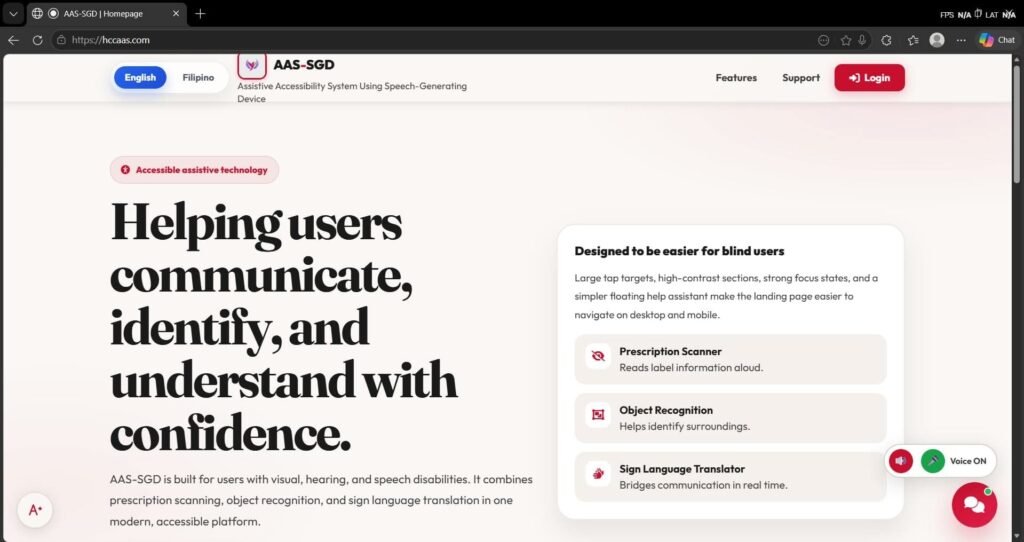
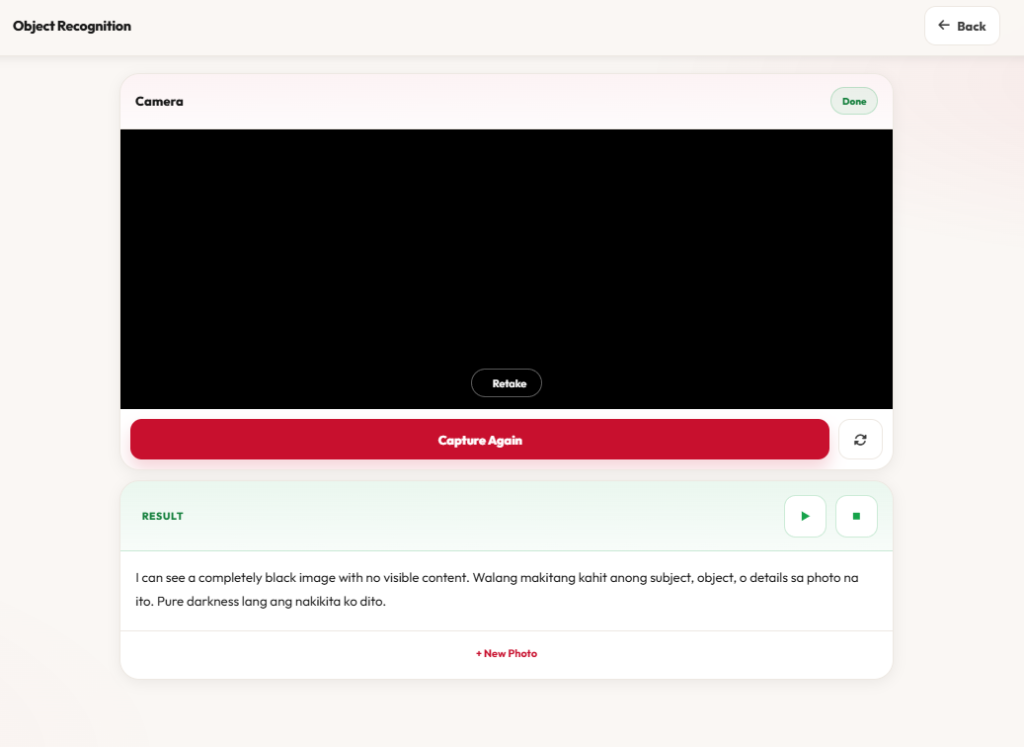
More than just a research project, this system represents a meaningful step toward building a more inclusive digital future. By combining accessibility tools with intelligent technologies, BSCS students have demonstrated how innovation can directly impact lives, breaking communication barriers and opening new possibilities for persons with disabilities.
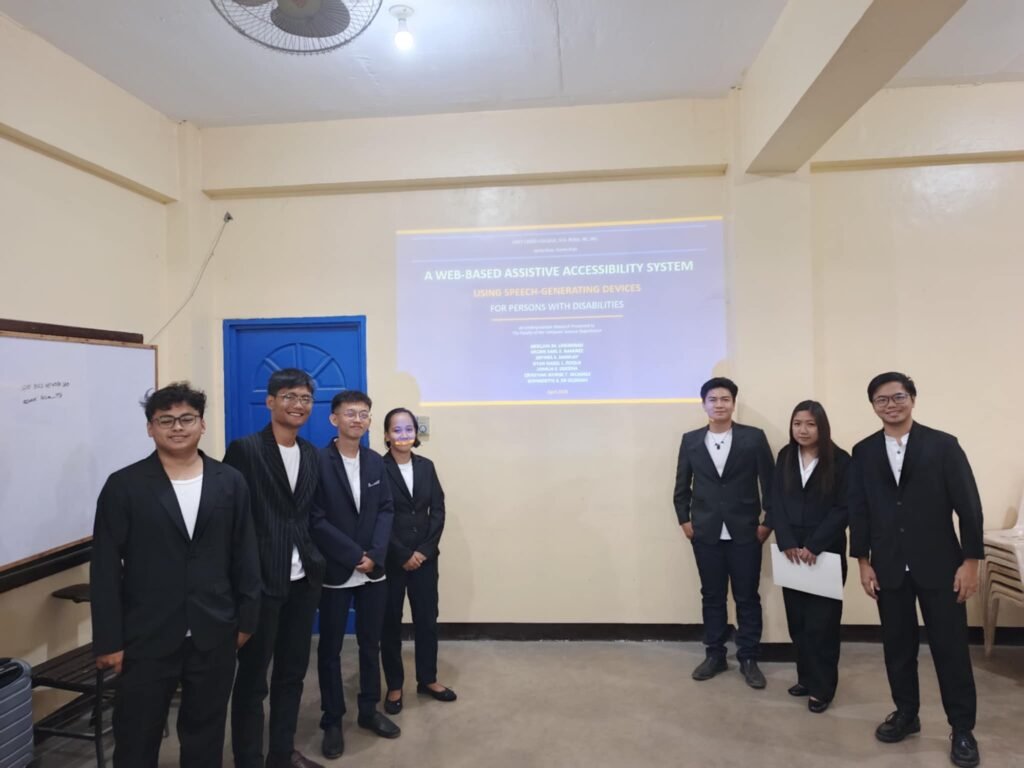
The research was developed by Arieljon Linsangan, Archie Karl Ramirez, Jerthel Sanglay, Dyan Isabel Roque, Joshua Docena, Christian Jeorge Jacamille, and Bernadette De Guzman, whose combined expertise and dedication brought this transformative idea to life.
Live Project: https://hccaas.com/
This initiative not only showcases the technical excellence of the students but also reflects a deeper commitment to social responsibility, proving that technology, when used with purpose, can truly transform the world into a more inclusive space for all.